
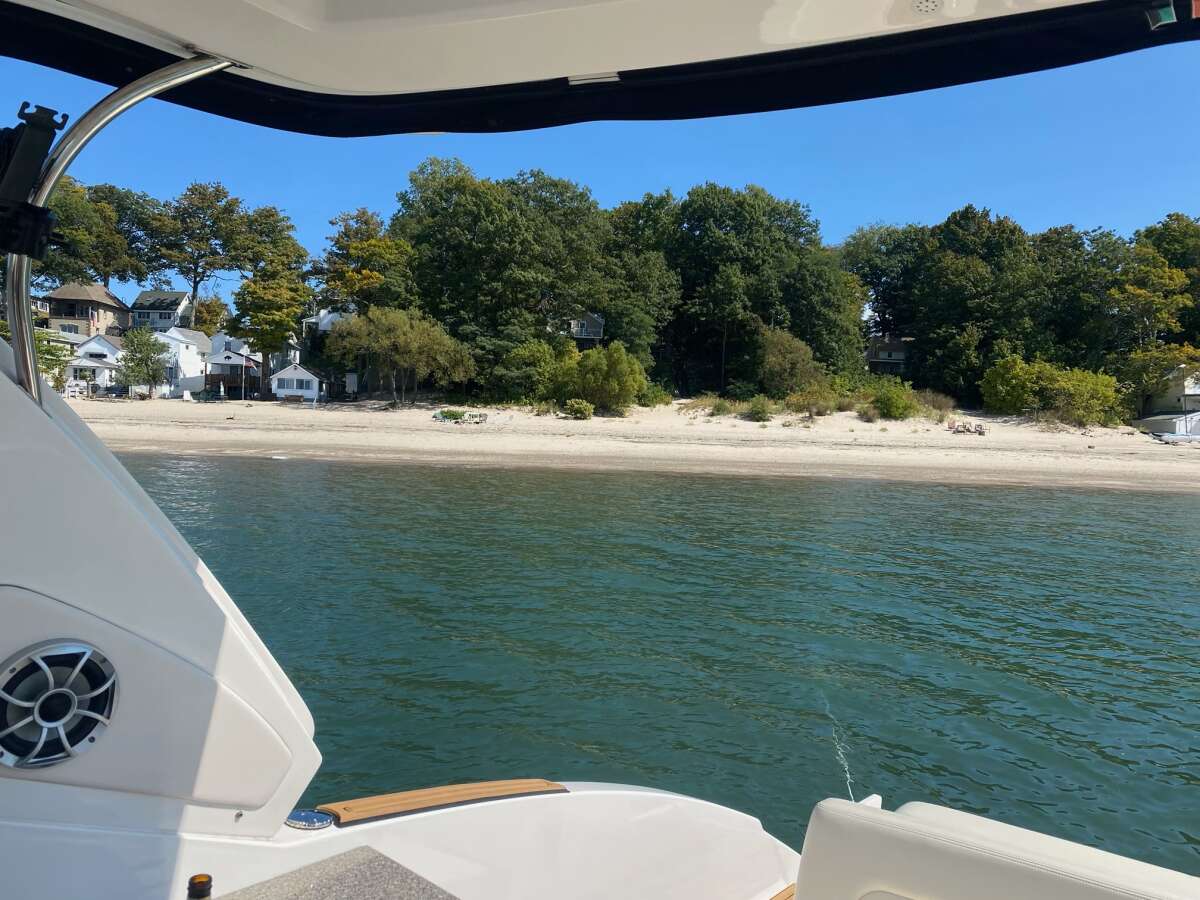
Boating and Fishing in Western New York: Complete Lake Erie, Buffalo and Niagara Region Guide
Western New York offers one of the most diverse boating and freshwater fishing regions in the United States. Lake Erie, the Niagara River, Buffalo Harbor, the Buffalo River, Tonawanda Creek, the Erie Canal, Chautauqua Lake, and dozens of tributaries provide outstanding opportunities for powerboating, sailing, kayaking, canoeing, charter trips, walleye fishing, smallmouth bass fishing, steelhead fishing, and relaxing days along the shoreline. Visitors can move from open Great Lakes water to protected harbors, historic canals, rivers, creeks, and inland lakes without leaving the region.
For visitors staying in Angola, Angola on the Lake, Derby, or other communities along the southern Lake Erie shoreline, many of Western New York's best boating and fishing destinations are within a convenient drive. Local marinas and public access points connect boaters to Lake Erie, while nearby Cattaraugus Creek provides seasonal fishing and paddling opportunities. Buffalo, Tonawanda, Grand Island, Niagara Falls, Lewiston, and Chautauqua County expand the possibilities with waterfront cruises, boat launches, kayaking routes, canal travel, river fishing, and inland lake recreation.
This comprehensive Western New York boating and fishing guide begins with Angola and the Lake Erie shoreline before exploring Buffalo Harbor, the Buffalo River, the Niagara River, Tonawanda Creek, the Erie Canal, Chautauqua Lake, and other important regional waterways. It also covers boat launches, marinas, paddling routes, charter fishing, popular fish species, seasonal conditions, safety, licensing, and practical planning tips.
Boating and Fishing Near Angola, New York
Angola is an excellent home base for exploring the southeastern shore of Lake Erie. The community is close to beaches, marinas, public parks, fishing streams, and several of the most important boating access points between Buffalo and the Pennsylvania state line. Visitors can launch a boat, hire a Lake Erie charter captain, paddle protected sections of the shoreline, fish from shore, or spend a relaxing day near the water.
The open waters of Lake Erie offer opportunities for walleye, smallmouth bass, yellow perch, steelhead, lake trout, and other species. Nearby tributaries support seasonal trout and steelhead runs, while protected bays and creek mouths can provide additional opportunities for paddlers and shore anglers.
Angola on the Lake
Angola on the Lake is a small Lake Erie shoreline community west of the Village of Angola. Its lakefront setting provides convenient access to beaches, sunsets, and the recreational waters of eastern Lake Erie. The area is especially attractive to travelers who want to combine boating and fishing with a relaxing lake vacation.
Shoreline access varies because much of the lakefront is privately owned. Boaters, anglers, and paddlers should use public parks, marinas, designated access points, and properties where they have permission. Conditions on Lake Erie can change rapidly, so small-craft boaters should review the marine forecast before leaving shore.
Point Breeze Marina
Point Breeze Marina is located along Lake Shore Road in the Angola area and provides convenient access to Lake Erie. It is one of the closest marina options for visitors staying near Angola on the Lake and can serve recreational boaters, anglers, and seasonal slip holders.
Services, launch availability, operating dates, fees, and water-depth conditions can change throughout the boating season. Boaters should contact the marina before arrival, particularly when launching a larger vessel or traveling early or late in the season.
Sturgeon Point Marina
Sturgeon Point Marina in Derby is one of the most important public Lake Erie boating access points in southern Erie County. Its location between Angola and Buffalo makes it a popular launch for pleasure boaters and anglers pursuing Lake Erie walleye, smallmouth bass, and yellow perch.
The marina provides direct access to open lake water, but entrance-channel depths and harbor conditions can vary. Boaters should review current marina notices, lake conditions, and weather forecasts before launching. During productive summer fishing periods, the marina can become busy early in the morning.
Evangola State Park
Evangola State Park is located south of Angola along the Lake Erie shoreline. The park is best known for its natural sand beach, scenic shale cliffs, camping, picnicking, and sunset views, but fishing is also among its recreational opportunities.
Evangola is better suited to shoreline recreation, kayaking under favorable conditions, and fishing than to launching large motorboats. Lake conditions, waves, and currents can make the shoreline hazardous, particularly during strong winds. Visitors should obey posted restrictions and never enter closed swimming or waterfront areas.
Evans Town Park
Evans Town Park provides public access to the Lake Erie waterfront in the Angola area. Depending on current park rules and conditions, visitors may be able to enjoy shoreline fishing, paddling, beach walks, picnicking, and views across the lake.
Anglers should check local signs regarding fishing locations and seasonal restrictions. Paddlers should confirm whether launching is permitted and avoid entering the lake during high waves, thunderstorms, or offshore winds.
Lake Erie Beach Park
Lake Erie Beach Park is another public waterfront destination near Angola. It offers a place to enjoy the shoreline, watch sunsets, and spend time near the water. Fishing access and paddling suitability depend on current park regulations, lake levels, and weather conditions.
Rocky shorelines, changing water levels, and wave action require caution. Secure footwear and a personal flotation device are recommended whenever fishing near exposed water or launching a paddle craft.
Sunset Bay and Hanford Bay
Sunset Bay and Hanford Bay are located south of Angola near the mouth of Cattaraugus Creek. The area is popular for boating, beach recreation, paddling, and access to Lake Erie. Its protected shoreline setting can offer a different experience from the exposed open-lake coast.
Boaters should remain aware of shallow areas, shifting sediment, and changing conditions near the creek mouth. Public access, marina services, launch options, and parking arrangements should be confirmed before visiting.
Boating and Fishing on Lake Erie
Lake Erie is the centerpiece of boating and fishing in Western New York. The eastern basin provides excellent conditions for sailing, powerboating, kayaking, waterfront cruising, and charter fishing. It is also nationally recognized for its walleye and smallmouth bass fisheries, while yellow perch, steelhead, lake trout, channel catfish, freshwater drum, and other species provide additional opportunities.
Conditions on Lake Erie range from calm mornings to dangerous waves and thunderstorms. Successful and safe trips depend on appropriate equipment, local knowledge, and a willingness to remain ashore when conditions are unfavorable.
Recreational Boating on Lake Erie
Lake Erie offers extensive opportunities for cruising, sailing, wake-free shoreline exploration, and day trips between ports. Popular destinations include Angola, Sturgeon Point, Buffalo Harbor, Dunkirk, Barcelona, and Chautauqua County waterfront communities.
Boaters should monitor marine forecasts, carry required safety equipment, maintain adequate fuel reserves, and remain aware of commercial traffic and changing weather. Water temperatures can remain cold well into spring, even when air temperatures are comfortable.
Walleye Fishing on Lake Erie
Walleye are among the most sought-after fish in Lake Erie. Western New York anglers commonly target them from late spring through fall, with summer providing some of the most consistent offshore opportunities.
Trolling is a widely used technique. Anglers may use diving planers, lead-core line, weighted lines, crankbaits, stickbaits, and worm harnesses to reach fish suspended at different depths. Productive locations change with water temperature, baitfish movement, wind, and seasonal migration.
Anglers launching from Sturgeon Point, Buffalo Harbor, Dunkirk, or other Lake Erie ports should review current fishing reports before departure. Depths that produced fish one week may be less productive after a weather change or major shift in water temperature.
Smallmouth Bass Fishing
Lake Erie supports an outstanding smallmouth bass fishery. Rocky reefs, shoals, points, breakwalls, and transitions between rock and gravel provide habitat for bass throughout the eastern basin.
Tube jigs, drop-shot rigs, soft-plastic minnows, crankbaits, and jerkbaits are commonly used. Spring and early summer can bring bass closer to shore, while summer and fall may require fishing deeper structure.
Catch-and-release anglers should handle bass carefully, minimize time out of the water, and follow all current seasonal regulations.
Yellow Perch Fishing
Yellow perch are popular with families and anglers interested in catching fish for the table. Schools may gather over relatively flat bottom areas, and once a productive group is located, action can be steady.
Common techniques include fishing minnows or small pieces of bait on multi-hook perch rigs near the bottom. Electronics can help locate schools, but anglers should avoid crowding other boats and maintain a safe distance from anchored vessels.
Steelhead and Trout
Steelhead can be caught in Lake Erie and its tributaries. Open-water anglers may encounter steelhead while trolling, while tributary anglers generally focus on fall, winter, and spring runs.
Lake trout are also present in deeper Lake Erie waters. Regulations for trout, salmon, and Great Lakes tributaries differ from ordinary statewide rules, making it important to review the current New York fishing guide before each trip.
Shore Fishing on Lake Erie
Anglers without boats can fish from public piers, breakwalls, marinas, and shoreline access sites. Potential catches may include smallmouth bass, yellow perch, walleye, steelhead, freshwater drum, rock bass, carp, and channel catfish.
Fishing from breakwalls can be dangerous during high waves. Wear a personal flotation device, use footwear with dependable traction, and stay off structures when water is washing across the surface.
Lake Erie Marinas, Boat Launches, and Charter Fishing
Western New York offers several marinas and public launch sites that provide access to the eastern basin of Lake Erie. Facilities vary in size, parking availability, launch fees, channel depth, seasonal hours, and access to open water.
Popular regional options include:
- Point Breeze Marina near Angola
- Sturgeon Point Marina in Derby
- Small Boat Harbor in Buffalo
- Erie Basin Marina in Buffalo
- Dunkirk Harbor
- Barcelona Harbor
Hiring a licensed fishing charter is one of the easiest ways for visitors to experience Lake Erie. Charter captains provide the boat, safety equipment, fishing tackle, and local knowledge needed to locate fish under changing conditions.
Charters may depart from Sturgeon Point, Buffalo, Dunkirk, and other ports. Many specialize in walleye, although trips targeting smallmouth bass, yellow perch, or multiple species may also be available.
Before reserving a trip, ask about:
- Target species and fishing methods
- Trip length and departure time
- Maximum number of passengers
- Fishing license requirements
- What clothing, food, and drinks to bring
- Fish-cleaning services
- Weather cancellation policies
- Accessibility and physical requirements
- Whether children are permitted
Boating and Fishing on Cattaraugus Creek
Cattaraugus Creek enters Lake Erie near Sunset Bay and is one of the region's most important fishing and paddling waterways. Its lower section is known for seasonal steelhead fishing, while other portions support warmwater species and paddling opportunities.
Steelhead generally move into Lake Erie tributaries when cooler water and increased stream flow create suitable conditions. Fall, winter, and spring can all produce fish, but water clarity and flow determine whether the creek is safely fishable.
Kayaking and Canoeing Cattaraugus Creek
Sections of Cattaraugus Creek appeal to experienced paddlers, but conditions can be challenging. Water levels, rapids, strainers, steep banks, and remote stretches require proper planning.
Paddlers should scout routes, identify access and exit points, wear properly fitted personal flotation devices, and avoid entering the creek during flooding or high-water conditions. Some sections may be inappropriate for beginners.
Steelhead Fishing on Cattaraugus Creek
Anglers use several techniques for Cattaraugus Creek steelhead, including drifting egg imitations, beads, jigs, flies, and live bait where permitted. Long rods and float-fishing equipment can help control presentations through deep runs and current seams.
Public fishing rights exist along certain sections, but not along the entire creek. Anglers must identify legal access points, respect private property, and avoid crossing posted land without permission.
Boating and Fishing on Eighteenmile Creek
Eighteenmile Creek enters Lake Erie in southern Erie County and provides seasonal fishing and limited paddling opportunities. Like other Lake Erie tributaries, it may attract steelhead during periods of favorable flow and temperature.
Access is a mixture of public areas, public fishing rights, and private property. Anglers and paddlers should use official access maps and respect all posted boundaries. Smaller tributaries can rise quickly after heavy rain and may become difficult or dangerous to wade or navigate.
Boating and Fishing in Buffalo Harbor
Buffalo Harbor connects Lake Erie with the Buffalo River, Buffalo waterfront, and Upper Niagara River. Breakwalls, marinas, protected harbor water, and nearby open-lake access make it one of Western New York's most versatile boating destinations.
Visitors can launch fishing boats, sailboats, personal watercraft, kayaks, and canoes from designated facilities. The harbor is also used by commercial vessels, tour boats, and large recreational craft, so boaters must remain alert and follow navigational rules.
Small Boat Harbor
The Small Boat Harbor on Fuhrmann Boulevard is one of Buffalo's primary public boating facilities. It provides convenient access to the protected Outer Harbor and Lake Erie.
The facility is popular with anglers, pleasure boaters, and seasonal slip holders. Launch lanes can become busy during favorable summer weekends and major fishing events, so arriving early is recommended.
Erie Basin Marina
Erie Basin Marina is located along Buffalo's downtown waterfront near Canalside. It serves recreational boaters and provides convenient access to the Buffalo River, Inner Harbor, and Lake Erie.
The surrounding waterfront includes walking paths, gardens, restaurants, and views of the city skyline. Boaters should confirm current launch, docking, and transient-slip arrangements before arriving.
Outer Harbor
Buffalo's Outer Harbor includes protected waters, marinas, parks, trails, and access points for paddle craft. It is a popular area for kayaking, sailing, fishing, and waterfront recreation.
Wind can still create rough conditions, even behind breakwalls. Paddlers should remain near designated routes, avoid shipping channels, and watch for wakes from larger vessels.
Fishing Buffalo Harbor
Buffalo Harbor may produce smallmouth bass, largemouth bass, walleye, northern pike, yellow perch, freshwater drum, carp, rock bass, and other species. Fish often relate to breakwalls, weed edges, current areas, docks, and changes in bottom structure.
Spring and early summer can provide nearshore opportunities, while summer anglers may move farther into Lake Erie. Fall can bring another period of active feeding as water temperatures decline.
Boating and Fishing on the Buffalo River
The Buffalo River flows through the city and enters Lake Erie at Canalside. Once primarily associated with industry, the river has become an important location for urban paddling, boating, waterfront tours, fishing, and environmental restoration.
Kayakers can view grain elevators, lift bridges, historic industrial structures, and the Buffalo skyline from the water. Several organized tours introduce visitors to the river's history and architecture.
Kayaking the Buffalo River
The Buffalo River is best explored by paddlers who understand urban-waterway conditions. Commercial traffic, rowing shells, tour boats, winds, and wakes may all be present.
Use established launch sites, remain visible, stay outside restricted areas, and avoid approaching industrial docks. Beginners may prefer a guided tour or calm morning conditions.
Fishing the Buffalo River
The Buffalo River supports a variety of warmwater fish, including bass, northern pike, carp, channel catfish, and panfish. Anglers may focus on current breaks, bridge structures, deeper holes, and areas near the river mouth.
Consumption advisories may apply to fish caught in Western New York waters. Anglers planning to eat their catch should review current New York State fish-consumption guidance.
Buffalo Blueway
The Buffalo Blueway connects public access sites along the Buffalo River, Buffalo Creek, and surrounding waterways. The project has improved locations for paddling, shoreline recreation, and fishing while connecting water-based routes with parks and trails.
The Harlem Road fishing and boating access site in West Seneca includes a paddle-craft launch, accessible walkway, and fishing platform. It provides another way to experience inland waterways east of downtown Buffalo.
Boating and Fishing on the Upper Niagara River
The Upper Niagara River carries water from Lake Erie toward Niagara Falls. It flows past Buffalo, Grand Island, Tonawanda, and North Tonawanda before dividing around islands and approaching the falls.
The river supports powerboating, paddling, sailing, sightseeing, and fishing for smallmouth bass, walleye, muskellunge, northern pike, yellow perch, panfish, and other species. Strong current, reefs, shoals, and heavy boat traffic make local knowledge particularly valuable.
Boating the Upper Niagara River
Boaters must understand the river's current, navigation channels, and restricted areas above Niagara Falls. Do not rely solely on a phone-based map. Carry appropriate marine charts, review hazard information, and remain far from exclusion zones and dangerous downstream areas.
Recreational boaters can explore protected sections near Grand Island, Tonawanda, and the western Erie Canal. Kayakers should select routes carefully and avoid exposed crossings during strong wind or current.
Fishing the Upper Niagara River
Smallmouth bass are common around rocky areas, current seams, and island shorelines. Walleye may be caught near deeper current breaks, while muskellunge attract experienced anglers using large lures and heavy equipment.
The river is an international boundary. A New York fishing license does not authorize fishing in Canadian waters, so boaters must know their position and remain in waters where they are properly licensed.
Upper Niagara River Access
Public and private access options include locations around Buffalo, Grand Island, Tonawanda, North Tonawanda, and Niagara Falls. Commonly used sites include:
- Foot of Ontario Street in Buffalo
- Isle View Park in Tonawanda
- Gratwick Riverside Park in North Tonawanda
- Beaver Island State Park on Grand Island
- Big Six Mile Creek Marina on Grand Island
- Griffon Park in Niagara Falls
- Private marinas along River Road
Launch conditions, parking, fees, and seasonal hours vary. Confirm current information before towing a boat to any facility.
Boating and Fishing Around Grand Island
Grand Island is surrounded by the Upper Niagara River and offers access to protected bays, open current, island shorelines, and tributary mouths. It is a popular destination for powerboating, paddling, fishing, sailing, and waterfront recreation.
Beaver Island State Park
Beaver Island State Park provides fishing access, canoe and kayak launching, a marina, trails, picnic areas, and views across the Niagara River. Its location at the southern end of Grand Island makes it convenient for exploring the upper river.
Buckhorn Island State Park
Buckhorn Island State Park protects wetlands and river habitat at the northern end of Grand Island. It is better suited to quiet nature observation, shoreline exploration, fishing, and paddling than to high-speed boating.
Wetlands are sensitive environments. Paddlers should avoid disturbing nesting birds, stay on legal routes, and follow all park regulations.
Boating and Fishing on Tonawanda Creek
Tonawanda Creek flows through Western New York and becomes part of the Erie Canal near Tonawanda. Different sections range from winding rural creek to developed canal corridor, creating opportunities for fishing, canoeing, kayaking, and small-boat recreation.
Common fish may include smallmouth bass, largemouth bass, northern pike, channel catfish, carp, rock bass, sunfish, and other warmwater species. Habitat and current vary significantly from one section to another.
Kayaking Tonawanda Creek
Tonawanda Creek offers several paddling environments. Rural sections may feel quiet and natural, while downstream sections connect paddlers with the Erie Canal and Niagara River.
Water levels, fallen trees, low bridges, and dams can affect routes. Paddlers should research each section independently rather than assuming the entire creek is continuously navigable.
Fishing Tonawanda Creek
Anglers can target pools, bridge areas, current seams, undercut banks, fallen timber, and canal structures. Shore access is available in some public parks and municipal areas, while other stretches pass through private property.
Before fishing, identify legal access and confirm whether special canal or local regulations apply. Never park on private land or cross posted property without permission.
Harlem Road Access
The public fishing and boating access site at Harlem Road in West Seneca provides an accessible fishing deck, improved shoreline access, and a paddle-craft launch. It can serve as a convenient starting point for exploring Buffalo Creek and connected waterways.
Boating and Fishing on the Erie Canal
The western Erie Canal meets the Niagara River at Tonawanda and North Tonawanda. This historic waterway combines recreational boating, paddling, fishing, cycling, and waterfront sightseeing.
Canal communities offer docks, parks, restaurants, and access to the Erie Canalway Trail. Boaters can travel through lift bridges and locks while experiencing one of New York's most important historic transportation corridors.
Boating the Erie Canal
The canal is generally open to recreational navigation from spring through fall, but operating dates, daily hours, and individual facility schedules can change. Boaters should review current navigation notices before departing.
When approaching a lock, reduce speed, contact the lock operator as directed, and wait for the appropriate signal. Position fenders before entering and follow instructions regarding lines and placement along the lock wall.
Kayaking the Erie Canal
The Erie Canal can provide relatively calm paddling compared with Lake Erie and the Niagara River. However, motorboat wakes, low bridges, lock structures, and changing water levels remain important considerations.
Paddlers planning to pass through locks should review canal procedures in advance. Some may choose to plan routes between launches that avoid locking through.
Fishing the Erie Canal
The canal supports largemouth bass, smallmouth bass, northern pike, walleye, channel catfish, carp, crappie, sunfish, and other warmwater species. Productive areas may include bridge pilings, weed beds, deeper bends, current near structures, and shaded shoreline cover.
Fishing is possible from boats and designated public shoreline areas. Anglers should avoid blocking docks, lock approaches, and heavily used pedestrian paths.
Gateway Harbor in Tonawanda
Gateway Harbor sits where Tonawanda Creek and the Erie Canal meet the Niagara River. The waterfront includes docking, parks, trails, restaurants, and seasonal events.
It is a popular destination for pleasure boats and paddlers, particularly during summer. Heavy traffic and events can make the harbor busy, so maintain a safe speed and watch for pedestrians near docks.
Lockport and the Flight of Five
Lockport offers one of the most historically significant canal experiences in Western New York. Visitors can observe lock operations, take canal cruises, and explore the engineering history of the Flight of Five.
Fishing and paddling access vary around lock structures. Follow posted restrictions and remain clear of gates, spillways, and operational areas.
Boating and Fishing on the Lower Niagara River
The Lower Niagara River extends from below Niagara Falls to Lake Ontario. Its deep water, powerful current, and connection to two Great Lakes create exceptional fishing for steelhead, brown trout, lake trout, salmon, smallmouth bass, and walleye.
The river is also one of the most demanding boating environments in Western New York. Strong currents, steep gorge walls, rapidly changing water levels, and powerful turbulence require experienced operators and appropriate vessels.
Boating the Lower Niagara River
Boating on the Lower Niagara River requires careful route planning, dependable equipment, and a strong understanding of current and water-level changes. Anglers unfamiliar with the river should strongly consider hiring an experienced charter captain.
Knowledge of boat control, safe drifts, emergency procedures, and restricted areas is essential. Smaller recreational boats and paddle craft are not appropriate for many sections of the Lower Niagara River.
Lower Niagara River Fishing
Fall brings Chinook and coho salmon into the river, while steelhead, brown trout, and lake trout provide cold-season opportunities. Smallmouth bass and walleye are targeted during warmer periods.
Boat anglers often drift with three-way rigs, plugs, beads, egg imitations, or live bait where permitted. Shore anglers fish from state parks, municipal waterfronts, and established platforms.
Shore Fishing Access
Lower Niagara River shore-fishing locations include:
- Whirlpool State Park
- Devil's Hole State Park
- Artpark State Park
- Lewiston Landing
- Joseph Davis State Park
- Water Street Village Park in Youngstown
- Constitution Park in Youngstown
Whirlpool and Devil's Hole require a steep descent into the gorge followed by a strenuous climb back to the top. Rocks may be wet or icy, and water levels can change quickly. These areas are not appropriate for every visitor.
Lower Niagara River Boat Launches
Common launch options include Lewiston Landing, Water Street Village Park in Youngstown, and Fort Niagara State Park. Parking, ramp conditions, docks, fees, and seasonal services differ by location.
Boating and Fishing on Lake Ontario
Lake Ontario begins at the mouth of the Niagara River near Youngstown and Fort Niagara. It expands the Western New York boating and fishing experience with opportunities for cruising, sailing, charter fishing, kayaking under suitable conditions, and catching Chinook salmon, coho salmon, brown trout, lake trout, steelhead, and smallmouth bass.
Youngstown, Wilson, and Olcott are principal boating and fishing communities along western Lake Ontario. Charter boats operate during several seasons, with spring trout fishing and summer salmon trolling among the highlights.
Wilson Harbor
Wilson Harbor provides protected access to Lake Ontario and supports marinas, charter fishing, and recreational boating. Anglers and boaters can reach productive nearshore and offshore waters from the harbor.
Olcott Harbor
Olcott is another popular Lake Ontario fishing and boating port with charter services, marina facilities, and access to salmon and trout fishing. The community can be included in a day trip from Buffalo, Niagara Falls, or Angola.
Boating and Fishing on Chautauqua Lake
Chautauqua Lake is the largest inland lake in Western New York and one of the region's top destinations for recreational boating and fishing. The lake has two basins divided near Bemus Point and offers more protected conditions than the open Great Lakes on many days.
Recreational boaters enjoy cruising, sailing, paddling, watersports, and visiting waterfront communities. Anglers pursue muskellunge, walleye, largemouth bass, smallmouth bass, crappie, yellow perch, white perch, sunfish, and other species.
Recreational Boating on Chautauqua Lake
Chautauqua Lake is well suited to day cruising, pontoon boating, paddling, sailing, and waterfront dining. Bemus Point, Mayville, Lakewood, and other communities provide marinas, docks, restaurants, and seasonal events.
Boaters should watch for weed growth, shallow areas, changing wind, and heavy summer traffic. Observe no-wake zones and local navigation rules near docks and developed shorelines.
Muskellunge Fishing
Chautauqua Lake is well known for muskellunge fishing. Anglers troll or cast large lures around weed edges, breaks, and open-water forage. Muskellunge require specialized handling because of their size and vulnerability to stress.
Use heavy tackle, large landing nets, and appropriate release tools. Keep the fish in the water as much as possible and review current season, size, and possession rules before fishing.
Bass and Panfish
Largemouth bass often relate to vegetation, docks, and protected bays, while smallmouth bass are more common around rocky areas and deeper structure. Crappie, perch, and sunfish provide family-friendly opportunities, especially around spring shallows and summer weed edges.
Chautauqua Lake Boat Access
Public access includes Long Point State Park, Bemus Point, and additional state or municipal launch sites. Long Point State Park offers a hard-surface launch, marina, shore fishing, and day-use facilities.
The Bemus Point public access site includes a trailered boat launch and features intended to improve access for paddlers and visitors with disabilities. Boaters should verify current operating conditions before arriving.
Boating and Fishing on the Cassadaga Lakes
The Cassadaga Lakes provide a quieter inland alternative to Chautauqua Lake. The interconnected lakes support kayaking, canoeing, small-boat recreation, and fishing for bass, northern pike, muskellunge, crappie, perch, and sunfish.
Kayaks, canoes, and smaller fishing boats are well suited to these waters. Public access is more limited than on larger lakes, so boaters should research launches and parking before traveling.
Boating and Fishing on Findley Lake, Bear Lake, and Other Chautauqua County Waters
Chautauqua County includes several smaller lakes and ponds that can provide peaceful boating, paddling, and fishing. Findley Lake is popular for boating and vacation stays, while Bear Lake and other waters appeal to anglers and paddlers seeking quieter surroundings.
Access, motor restrictions, and invasive-species rules vary by lake. Check current regulations before launching.
Boating and Fishing on the Allegheny Reservoir
The Allegheny Reservoir extends through southwestern New York and Pennsylvania, offering a remote boating and fishing environment surrounded by forested hills. Visitors can enjoy powerboating, paddling, camping, and fishing for walleye, smallmouth bass, northern pike, muskellunge, trout, and panfish.
Because the reservoir crosses a state boundary, boaters and anglers must understand where their licenses and registrations are valid. Open-water conditions, remote shorelines, and changing weather also require careful preparation.
Other Inland Lakes Near Buffalo
Western New York includes numerous inland boating and fishing destinations beyond Chautauqua Lake. Depending on location and regulations, visitors may consider:
- Cuba Lake
- Rushford Lake
- Lime Lake
- Silver Lake
- Honeoye Lake
- Case Lake
- Harwood Lake
- Allen Lake
- Alma Pond
- Bond Lake
These waters offer combinations of paddling, small-boat recreation, bass fishing, trout fishing, walleye fishing, northern pike fishing, crappie fishing, yellow perch fishing, and family-friendly panfish opportunities. Some lakes have motor restrictions, private shorelines, or limited public launches.
Kayaking and Canoeing in Western New York
Western New York offers paddling routes ranging from calm canal sections and sheltered inland lakes to exposed Great Lakes water. Beginners should start on protected waterways and consider guided outings before attempting Lake Erie or the Niagara River.
Popular Paddling Areas
- Buffalo River
- Buffalo Outer Harbor
- Erie Canal
- Tonawanda Creek
- Beaver Island State Park
- New York State Canalway Water Trail
- Chautauqua Lake
- Cassadaga Lakes
- Harlem Road access in West Seneca
- Protected sections near Grand Island
- Cattaraugus Creek for appropriately experienced paddlers
Paddling Safety
- Wear a properly fitted personal flotation device.
- Check wind, waves, thunderstorms, current, and water temperature.
- Carry a whistle and waterproof communication device.
- Use lights and reflective equipment when visibility is limited.
- Avoid commercial navigation channels.
- Stay clear of dams, spillways, locks, and restricted areas.
- File a float plan with someone on shore.
- Dress for the water temperature, not only the air temperature.
- Do not paddle alone in unfamiliar or exposed water.
- Carry a chart or offline map.
Sailing and Recreational Boating in Western New York
Lake Erie provides outstanding sailing and powerboating, with marinas extending from Chautauqua County through Buffalo and into the Niagara River. The Erie Canal, Lake Ontario, Chautauqua Lake, and several inland lakes offer additional cruising and day-boating options.
Popular boating destinations include:
- Angola and Sturgeon Point
- Buffalo Outer Harbor
- Canalside and Erie Basin Marina
- Grand Island
- Gateway Harbor
- Lewiston and Youngstown
- Wilson and Olcott
- Bemus Point and Chautauqua Lake
Boaters should carry legally required safety equipment, monitor marine weather, and understand New York's boating education requirements. Vessel registration, operator-certification, and equipment rules may depend on the boat and operator.
Best Fish Species in Western New York
Walleye
Lake Erie is the region's premier walleye destination, but walleye are also found in the Niagara River, Chautauqua Lake, Allegheny Reservoir, Erie Canal, and several inland lakes.
Smallmouth Bass
Lake Erie and the Niagara River provide exceptional smallmouth bass habitat. Rocky shorelines, reefs, current seams, and drop-offs are productive areas.
Largemouth Bass
Largemouth bass thrive in protected harbors, canal sections, vegetated bays, and inland lakes. Chautauqua Lake, Tonawanda Creek, and the Erie Canal are popular options.
Steelhead
Lake Erie tributaries such as Cattaraugus Creek and Eighteenmile Creek attract steelhead during fall, winter, and spring. The Lower Niagara River also offers excellent cold-season fishing.
Salmon
Chinook and coho salmon are most closely associated with Lake Ontario and the Lower Niagara River. Fishing generally improves as mature salmon approach river mouths and tributaries in late summer and fall.
Muskellunge
Chautauqua Lake and the Niagara River are prominent muskellunge waters. These powerful fish require heavy equipment, large landing nets, and careful catch-and-release practices.
Yellow Perch
Yellow perch are found in Lake Erie, Chautauqua Lake, protected harbors, and several inland lakes. They are popular with families and anglers seeking table fare.
Northern Pike
Northern pike inhabit the Niagara River, Chautauqua Lake, Tonawanda Creek, canal waters, and vegetated inland lakes.
Trout
Western New York supports brown trout, rainbow trout, brook trout, steelhead, and lake trout. Opportunities range from small stocked streams to the Great Lakes and Lower Niagara River.
Carp and Channel Catfish
Carp and channel catfish are found in the Buffalo River, Erie Canal, Niagara River, Lake Erie, and many inland waters. They offer accessible shore-fishing opportunities and can reach impressive sizes.
Western New York Boating and Fishing Calendar
Spring
- Early-season boating on protected inland waters when conditions permit
- Lake Erie and tributary steelhead
- Lower Niagara River trout
- Lake Ontario brown trout
- Crappie and panfish in warming shallows
- Early smallmouth bass opportunities
- Channel catfish and carp in rivers and canal waters
Summer
- Lake Erie cruising, sailing, and charter boating
- Lake Erie walleye trolling
- Lake Erie smallmouth bass
- Yellow perch
- Chautauqua Lake boating, bass, and muskellunge
- Erie Canal and Tonawanda Creek boating and fishing
- Kayaking, sailing, paddling, and recreational boating
Fall
- Scenic boating and paddling during fall foliage
- Lake Erie tributary steelhead
- Lower Niagara River salmon
- Lake Ontario salmon and trout
- Lake Erie bass and remaining walleye opportunities
- Chautauqua Lake muskellunge
Winter
- Lower Niagara River steelhead and trout
- Tributary steelhead when streams are open and safe
- Ice fishing on approved inland lakes and protected waters
- Yellow perch, panfish, and northern pike through safe ice
Boating Safety in Western New York
Lake Erie, Lake Ontario, the Niagara River, inland lakes, and fast-moving creeks all require careful preparation. Conditions can become dangerous quickly, even when the day begins with calm water.
- Review the latest marine forecast before departure.
- Watch for small-craft advisories and thunderstorm warnings.
- Carry one approved personal flotation device for every passenger.
- Wear personal flotation devices rather than storing them.
- Carry visual distress signals and communication equipment.
- Maintain adequate fuel reserves.
- Use navigation lights from sunset to sunrise.
- Remain sober and designate a responsible operator.
- Avoid overloaded boats.
- Tell someone where you are going and when you will return.
- Stay far from Niagara Falls exclusion and danger zones.
- Return to shore when conditions begin deteriorating.
Fishing Licenses and Regulations
Most anglers age 16 and older need a valid New York State freshwater fishing license. Exceptions apply in certain circumstances, including designated free-fishing days and specific exempt groups.
Lake Erie, Lake Ontario, the Niagara River, and their tributaries are subject to Great Lakes and tributary regulations. Individual inland waters may also have special seasons, minimum lengths, possession limits, or gear restrictions.
Before fishing, review:
- Current statewide freshwater fishing regulations
- Great Lakes and tributary regulations
- Upper or Lower Niagara River special regulations
- Rules for the individual lake, creek, or county
- Current fish-consumption advisories
- Baitfish transportation and use regulations
- Public fishing rights and private-property boundaries
A New York fishing license does not authorize fishing in the Canadian portions of Lake Erie, Lake Ontario, or the Niagara River. Boaters must know their location and obtain the appropriate license before fishing outside New York waters.
Preventing Aquatic Invasive Species
Boaters, paddlers, and anglers can help protect Western New York waters by cleaning, draining, and drying vessels and equipment between trips. Plants, mud, and standing water can transport invasive species from one waterway to another.
- Remove plants and debris from boats and trailers.
- Drain live wells, bilges, and bait containers.
- Dry equipment thoroughly before entering another waterbody.
- Use approved boat-washing stations where available.
- Never release bait or aquarium species into the water.
- Follow current baitfish transportation rules.
Ice Fishing in Western New York
Ice fishing may be available on inland lakes, ponds, and protected bays during sufficiently cold winters. Potential species include yellow perch, crappie, sunfish, northern pike, walleye, and trout.
No ice is completely safe. Great Lakes harbors, river areas, and waters affected by current can be especially unpredictable. Never assume that tracks, fishing huts, or other anglers prove the ice is safe.
- Check ice thickness repeatedly.
- Avoid moving water and pressure cracks.
- Carry ice picks and flotation equipment.
- Fish with another person.
- Tell someone your location and return time.
- Review current ice-safety recommendations.
- Confirm that winter parking and access areas are open.
Family-Friendly Boating and Fishing Locations
Families and beginning anglers often prefer locations with parking, shore access, restrooms, docks, accessible platforms, or protected water. Potential options include:
- Chautauqua Lake public access areas
- Long Point State Park
- Erie Canal parks in Tonawanda and North Tonawanda
- Harlem Road fishing platform in West Seneca
- Joseph Davis State Park fishing platform
- Beaver Island State Park
- Public piers and waterfront parks in Buffalo
- Selected inland lakes and stocked ponds
Parents should supervise children near all shorelines, docks, moving water, and boat-launch areas. A personal flotation device is recommended whenever a child is near deep or fast water.
Suggested Western New York Boating and Fishing Itineraries
Angola and Southern Lake Erie Day
- Morning: Launch from Sturgeon Point, enjoy a Lake Erie cruise, or meet a local charter captain.
- Midday: Return to Angola for lunch.
- Afternoon: Visit Evangola State Park or a public Lake Erie shoreline park.
- Evening: Watch the sunset from Angola on the Lake.
Buffalo Waterfront Day
- Morning: Boat or fish in Buffalo Harbor or launch a kayak on the Buffalo River.
- Lunch: Eat at Canalside or the Outer Harbor.
- Afternoon: Explore waterfront parks and trails.
- Evening: Take a harbor cruise or enjoy the downtown waterfront.
Niagara River Day
- Morning: Boat or fish the Upper Niagara River or meet a Lower Niagara charter in Lewiston.
- Midday: Eat in Lewiston.
- Afternoon: Visit Fort Niagara, Artpark, or a Niagara River overlook.
- Evening: Explore Youngstown or Niagara Falls.
Erie Canal and Tonawanda Day
- Morning: Launch a kayak or boat on Tonawanda Creek or the Erie Canal.
- Lunch: Stop near Gateway Harbor.
- Afternoon: Cruise the canal or fish from a public canal wall or waterfront park.
- Evening: Attend a seasonal event or dine beside the canal.
Chautauqua Lake Weekend
- Day One: Launch from Bemus Point or Long Point State Park and spend the day boating or fishing for bass, walleye, or muskellunge.
- Day Two: Paddle a protected shoreline, visit a lakefront community, and enjoy a sunset cruise.
Where to Stay for a Western New York Boating and Fishing Vacation
Angola and Angola on the Lake provide a convenient base for Lake Erie, Sturgeon Point, Evangola State Park, and Cattaraugus Creek. Buffalo is ideal for visitors interested in the Outer Harbor, Buffalo River, Canalside, and Upper Niagara River.
Additional lodging areas include:
- Derby and Evans
- Hamburg
- Buffalo
- Tonawanda and North Tonawanda
- Grand Island
- Niagara Falls
- Lewiston and Youngstown
- Wilson and Olcott
- Bemus Point and Chautauqua Lake
- Sunset Bay and Chautauqua County
Vacation rentals are especially convenient for boating families and fishing groups because they may offer kitchens, outdoor space, trailer parking, and room for storing gear. Confirm boat-trailer restrictions, driveway dimensions, and outdoor-cleaning policies before booking.
Frequently Asked Questions About Boating and Fishing in Western New York
Where can I launch a boat near Angola?
Point Breeze Marina and Sturgeon Point Marina are two of the closest Lake Erie boating facilities. Launch availability, fees, channel conditions, and operating dates should be confirmed before arrival.
What fish can you catch near Angola, New York?
Anglers near Angola may target Lake Erie walleye, smallmouth bass, yellow perch, steelhead, freshwater drum, channel catfish, and other species. Nearby tributaries also provide seasonal steelhead opportunities.
Is Lake Erie good for recreational boating?
Yes. Lake Erie offers excellent cruising, sailing, fishing, paddling, and waterfront recreation. However, wind and waves can change quickly, so boaters must monitor the marine forecast and carry proper safety equipment.
Is Lake Erie good for fishing?
Yes. Lake Erie is nationally recognized for walleye and smallmouth bass fishing. It also supports yellow perch, steelhead, lake trout, freshwater drum, and several additional species.
Can beginners boat on Lake Erie?
Beginners should gain experience on protected water before operating on Lake Erie. Weather and waves can change quickly, and appropriate navigation, safety, and communication equipment are essential.
Can you boat on the Buffalo River?
Yes. The Buffalo River is used for kayaking, guided tours, small-boat recreation, and commercial navigation. Boaters should remain alert for wakes, bridges, docks, rowing shells, and larger vessels.
Can you fish the Buffalo River?
Yes. The Buffalo River supports warmwater species such as bass, northern pike, carp, catfish, and panfish. Use legal public access and review current consumption advisories before keeping fish.
Can you kayak the Buffalo River?
Yes. The Buffalo River is a popular urban kayaking destination. Guided tours are available, and paddlers can view grain elevators, bridges, and Buffalo's industrial waterfront.
Can you boat on Tonawanda Creek?
Some sections of Tonawanda Creek are suitable for paddling and small-boat use, while others may be affected by low bridges, fallen trees, shallow water, or dams. Research each route before launching.
Can you fish Tonawanda Creek?
Yes. Tonawanda Creek supports bass, northern pike, carp, catfish, panfish, and other species. Access and habitat differ significantly by location.
Can you boat on the Erie Canal?
Yes. The Erie Canal is open to recreational navigation during its established boating season. Boaters should review current lock hours, lift-bridge schedules, and navigation alerts.
Do I need a fishing license?
Most anglers age 16 and older need a New York State freshwater fishing license. Exceptions apply, so review current licensing rules.
Can I use a New York fishing license in Canadian water?
No. A New York license does not authorize fishing in Canadian portions of Lake Erie, Lake Ontario, or the Niagara River.
Where is the best walleye fishing near Buffalo?
Lake Erie is the primary walleye destination near Buffalo. Anglers launch from Buffalo Harbor, Sturgeon Point, Dunkirk, and other regional ports.
Where can I catch steelhead?
Popular steelhead waters include Cattaraugus Creek, Eighteenmile Creek, other Lake Erie tributaries, and the Lower Niagara River.
Where can I fish for muskellunge?
Chautauqua Lake and the Niagara River are two of Western New York's best-known muskellunge waters.
What is the best place for family boating and fishing?
Chautauqua Lake, Erie Canal parks, Beaver Island State Park, accessible fishing platforms, and selected inland lakes provide family-friendly options. Choose a site with safe shoreline conditions and appropriate facilities.
When is the best boating season?
Late spring through early fall provides the most consistent boating weather, although conditions vary by waterway. Lake Erie and Lake Ontario remain cold well into spring.
Is ice fishing available near Buffalo?
Ice fishing may be possible on inland lakes, ponds, and protected bays during cold winters. Ice conditions must be checked independently and repeatedly.
Plan a Western New York Boating and Fishing Adventure
Western New York brings together Great Lakes boating, scenic rivers, historic canals, protected harbors, inland lakes, and exceptional freshwater fishing within one remarkably diverse region. Visitors can cruise the Lake Erie shoreline, sail from Buffalo Harbor, kayak beneath the city's grain elevators, travel sections of the Erie Canal, troll for walleye, cast for Niagara River smallmouth bass, or spend a quiet day fishing on Chautauqua Lake.
Angola provides an ideal starting point for discovering the southern Lake Erie shoreline. From there, travelers can continue north to Buffalo Harbor, the Upper Niagara River, Tonawanda Creek, and the Erie Canal or travel south toward Cattaraugus Creek and Chautauqua Lake. Longer trips can include the Lower Niagara River, Lake Ontario, and the lakes of the Southern Tier.
Before leaving shore, review current boating requirements, fishing regulations, access notices, weather forecasts, marina conditions, and water levels. Proper planning protects both visitors and the remarkable waterways that make Western New York an exceptional boating and fishing destination.